Africa News Tracker

Main navigation

  • Home
  • Donate
  • Entertainment
  • Food
  • Lifestyle
  • Music & Video
  • About
    • Feedback
    • Privacy Policy
  • Advertise

Breadcrumb

  1. Home

West Africa

Afro-Caribbean Culinary Fusion Recipes

The African diaspora has profoundly shaped Caribbean cuisine, and the fusion between both traditions continues to inspire.

Try Jollof rice with jerk chicken, combining the smoky depth of Jamaican spices with the tomato-rich West African classic.

Ackee and saltfish can be reimagined with a side of fried plantain and yam fries, a nod to African starchy staples.

Curry goat with egusi stew is another bold combination—merging the Caribbean love for curry with Nigeria’s savory melon seed sauce.

For a snack, try puff-puff filled with Caribbean rum-glazed coconut, blending the soft Nigerian doughnut with island flavors.

These fusion recipes honor shared histories of resilience and creativity—proof that food can bridge continents and tell powerful stories.


Buy Ingredients

// Amazon affiliate shopping cart script (function () { const affiliateTag = "your-affiliate-tag"; // Replace with your actual Amazon affiliate tag const items = [ { asin: "B08N5WRWNW", quantity: 1 }, { asin: "B07FZ8S74R", quantity: 1 }, { asin: "B089KV4YYX", quantity: 1 }, { asin: "B08J5F3G18", quantity: 1 } ]; function createAmazonCartLink() { let cartUrl = "https://www.amazon.com/gp/aws/cart/add.html?"; cartUrl += `AssociateTag=${affiliateTag}`; items.forEach((item, index) => { cartUrl += `&ASIN.${index + 1}=${item.asin}&Quantity.${index + 1}=${item.quantity}`; }); return cartUrl; } function createCartButton() { const button = document.createElement("button"); button.innerText = "Add to Amazon Cart"; button.style.padding = "10px 20px"; button.style.fontSize = "16px"; button.style.backgroundColor = "#ff9900"; button.style.color = "#ffffff"; button.style.border = "none"; button.style.cursor = "pointer"; button.style.borderRadius = "5px"; button.onclick = function () { window.location.href = createAmazonCartLink(); }; document.body.appendChild(button); } document.addEventListener("DOMContentLoaded", createCartButton); })();

Cuisine Region
West Africa
African food, local cuisine

Common African Kitchen Tools and Their Uses

Traditional African cooking relies on tools that have stood the test of time, blending function with cultural identity.

The grinding stone (or “ata ile” in Yoruba) is used to crush peppers, spices, and grains. Though now replaced by blenders in many homes, it still adds an unmatched rustic texture.

Mortar and pestle are essential in most African homes—from pounding yam in Nigeria to making fufu in Ghana or crushing spices in Kenya.

Clay pots, known as "canari" or "mbiya," are used for cooking stews and storing water. They retain flavor and keep water naturally cool.

Charcoal stoves or three-stone fires remain common, especially in rural areas, where they provide high heat for cooking large meals.

Calabashes, made from gourds, are used to serve pap, palm wine, or soups.

These tools aren’t just functional—they are cultural heirlooms, passed from generation to generation and deeply embedded in Africa’s culinary story.

Buy Ingredients

// Amazon affiliate shopping cart script (function () { const affiliateTag = "your-affiliate-tag"; // Replace with your actual Amazon affiliate tag const items = [ { asin: "B08N5WRWNW", quantity: 1 }, { asin: "B07FZ8S74R", quantity: 1 }, { asin: "B089KV4YYX", quantity: 1 }, { asin: "B08J5F3G18", quantity: 1 } ]; function createAmazonCartLink() { let cartUrl = "https://www.amazon.com/gp/aws/cart/add.html?"; cartUrl += `AssociateTag=${affiliateTag}`; items.forEach((item, index) => { cartUrl += `&ASIN.${index + 1}=${item.asin}&Quantity.${index + 1}=${item.quantity}`; }); return cartUrl; } function createCartButton() { const button = document.createElement("button"); button.innerText = "Add to Amazon Cart"; button.style.padding = "10px 20px"; button.style.fontSize = "16px"; button.style.backgroundColor = "#ff9900"; button.style.color = "#ffffff"; button.style.border = "none"; button.style.cursor = "pointer"; button.style.borderRadius = "5px"; button.onclick = function () { window.location.href = createAmazonCartLink(); }; document.body.appendChild(button); } document.addEventListener("DOMContentLoaded", createCartButton); })();

Cuisine Region
West Africa
African Utensils

Fermented African Foods with Powerful Benefits

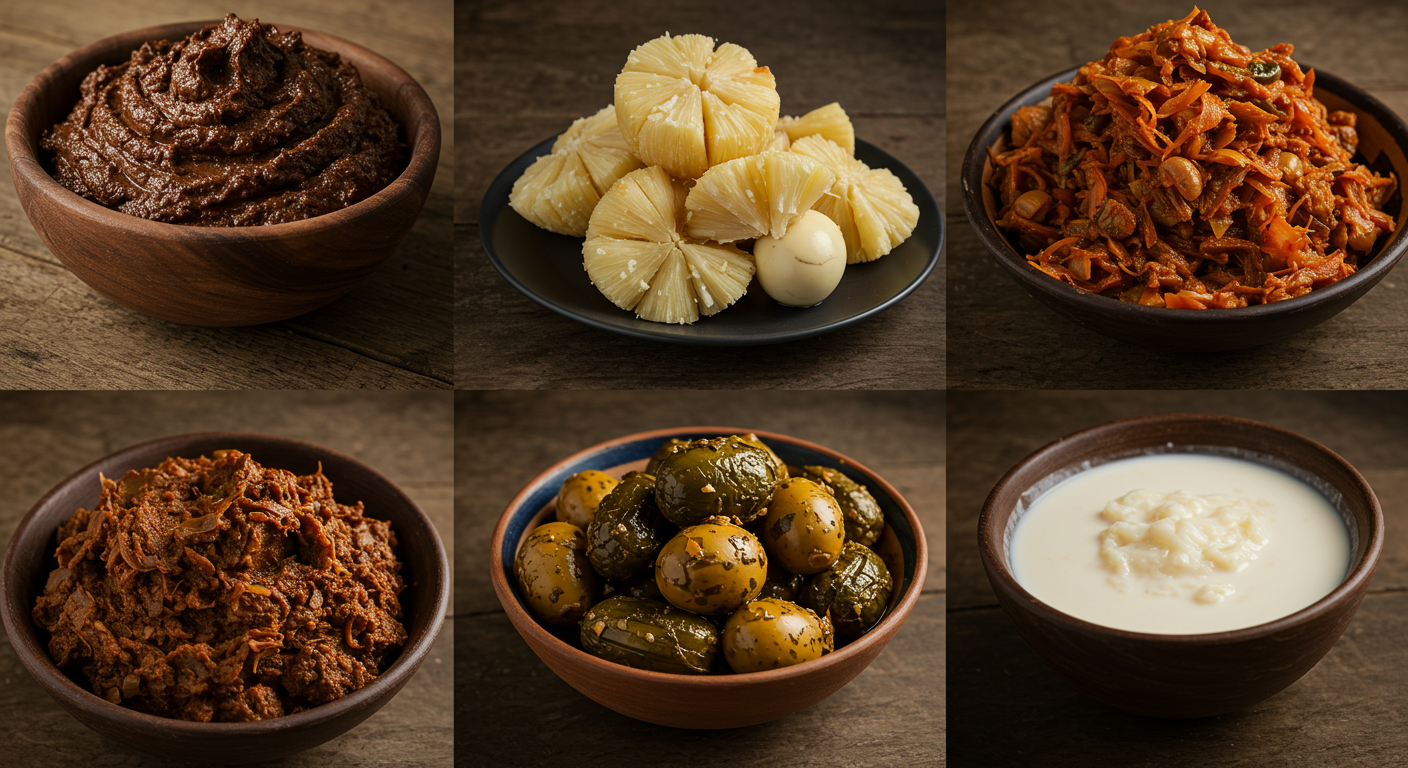
Fermentation is a cornerstone of African cuisine, enhancing not only flavor but also nutrition and digestion.

Ogi, a fermented maize porridge from Nigeria, is a probiotic powerhouse. Traditionally made by soaking maize kernels and allowing them to ferment for several days, ogi is ideal for gut health and is often used as a weaning food for babies.

Koko (fermented millet porridge), common in Ghana, offers similar benefits and is rich in iron, magnesium, and B vitamins. It’s typically served with koose (bean cakes) or bread for breakfast.

In Ethiopia and Eritrea, injera—a spongy flatbread made from fermented teff flour—is both a staple and a probiotic food. Teff is high in fiber, protein, and essential minerals, while fermentation makes the nutrients more bioavailable.

Nshima (Zambia), kenkey (Ghana), and ugali (East Africa) also undergo fermentation in their traditional forms, aiding digestion and flavor development.

These fermented foods are not only culturally significant but also support immune health, reduce inflammation, and improve nutrient absorption—making them some of Africa’s most powerful superfoods.

Buy Ingredients

// Amazon affiliate shopping cart script (function () { const affiliateTag = "your-affiliate-tag"; // Replace with your actual Amazon affiliate tag const items = [ { asin: "B08N5WRWNW", quantity: 1 }, { asin: "B07FZ8S74R", quantity: 1 }, { asin: "B089KV4YYX", quantity: 1 }, { asin: "B08J5F3G18", quantity: 1 } ]; function createAmazonCartLink() { let cartUrl = "https://www.amazon.com/gp/aws/cart/add.html?"; cartUrl += `AssociateTag=${affiliateTag}`; items.forEach((item, index) => { cartUrl += `&ASIN.${index + 1}=${item.asin}&Quantity.${index + 1}=${item.quantity}`; }); return cartUrl; } function createCartButton() { const button = document.createElement("button"); button.innerText = "Add to Amazon Cart"; button.style.padding = "10px 20px"; button.style.fontSize = "16px"; button.style.backgroundColor = "#ff9900"; button.style.color = "#ffffff"; button.style.border = "none"; button.style.cursor = "pointer"; button.style.borderRadius = "5px"; button.onclick = function () { window.location.href = createAmazonCartLink(); }; document.body.appendChild(button); } document.addEventListener("DOMContentLoaded", createCartButton); })();

Cuisine Region
West Africa
African food, local cuisine

Eating Seasonally: African Produce Calendar

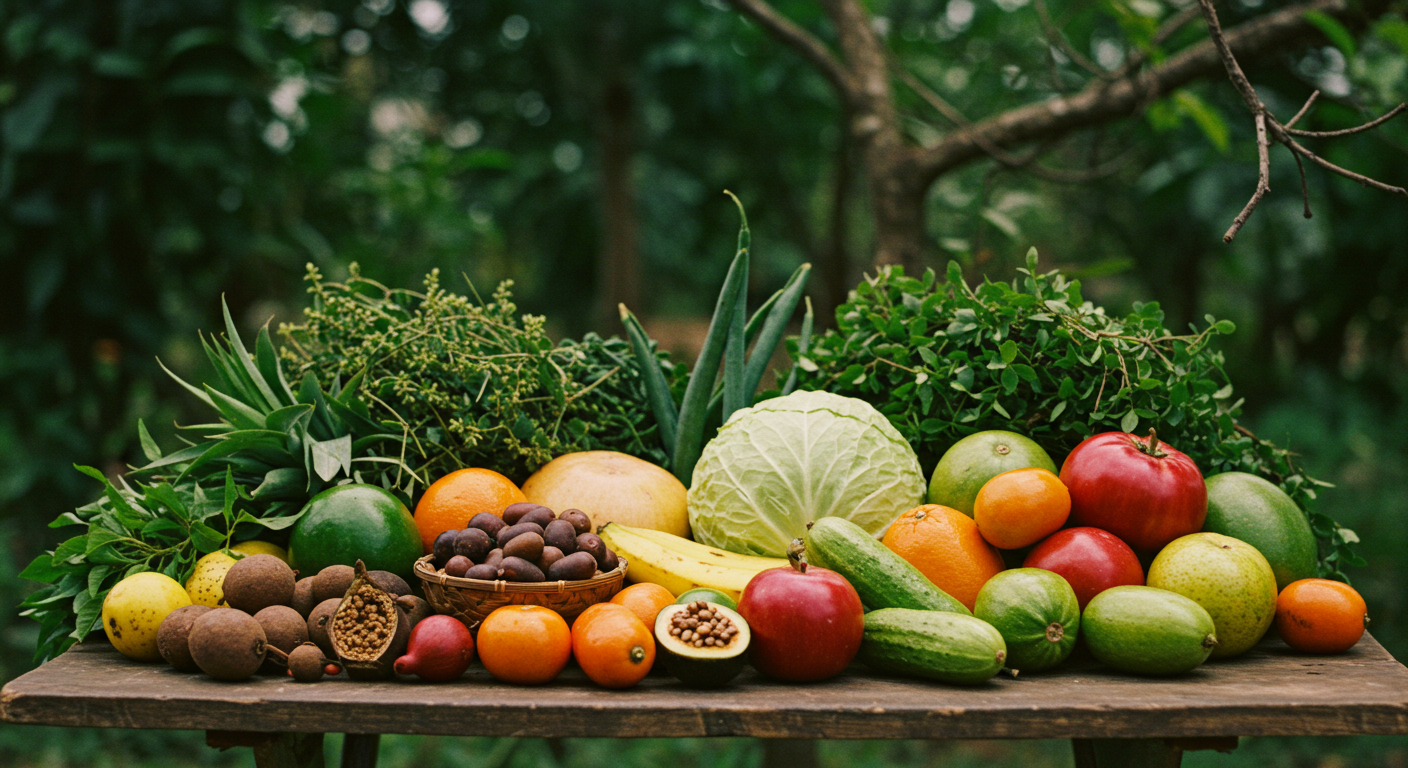
Eating seasonally is a traditional African practice rooted in local agricultural cycles. Seasonal eating ensures that foods are consumed at their peak freshness and nutrition, while also supporting local farmers and biodiversity.

In West Africa, fruits like mangoes, pineapples, and oranges flourish between March and July. This is the perfect time for fresh juices and fruit-based sauces. Leafy greens such as amaranth (called tete in Nigeria) and ugu (fluted pumpkin) also thrive in the rainy season, from April to October.

In East Africa, passion fruits, avocados, and bananas are abundant year-round, but crops like maize and beans have peak seasons between May and September. Seasonal vegetables such as sukuma wiki (collard greens) are best enjoyed in the cooler months.

In Southern Africa, butternut squash, sweet potatoes, and maize are staples during the dry season. Baobab fruit, available from May to October, is a superfood rich in vitamin C and calcium.

Following a local produce calendar helps diversify your diet and encourages sustainable eating. Whether you're making yam porridge in Nigeria or maize-based dishes in Kenya, eating with the seasons is a delicious way to honor nature’s rhythm.

Buy Ingredients

// Amazon affiliate shopping cart script (function () { const affiliateTag = "your-affiliate-tag"; // Replace with your actual Amazon affiliate tag const items = [ { asin: "B08N5WRWNW", quantity: 1 }, { asin: "B07FZ8S74R", quantity: 1 }, { asin: "B089KV4YYX", quantity: 1 }, { asin: "B08J5F3G18", quantity: 1 } ]; function createAmazonCartLink() { let cartUrl = "https://www.amazon.com/gp/aws/cart/add.html?"; cartUrl += `AssociateTag=${affiliateTag}`; items.forEach((item, index) => { cartUrl += `&ASIN.${index + 1}=${item.asin}&Quantity.${index + 1}=${item.quantity}`; }); return cartUrl; } function createCartButton() { const button = document.createElement("button"); button.innerText = "Add to Amazon Cart"; button.style.padding = "10px 20px"; button.style.fontSize = "16px"; button.style.backgroundColor = "#ff9900"; button.style.color = "#ffffff"; button.style.border = "none"; button.style.cursor = "pointer"; button.style.borderRadius = "5px"; button.onclick = function () { window.location.href = createAmazonCartLink(); }; document.body.appendChild(button); } document.addEventListener("DOMContentLoaded", createCartButton); })();

Cuisine Region
West Africa
African food, local cuisine, farm produce

Spices from Africa That Will Transform Your Cooking

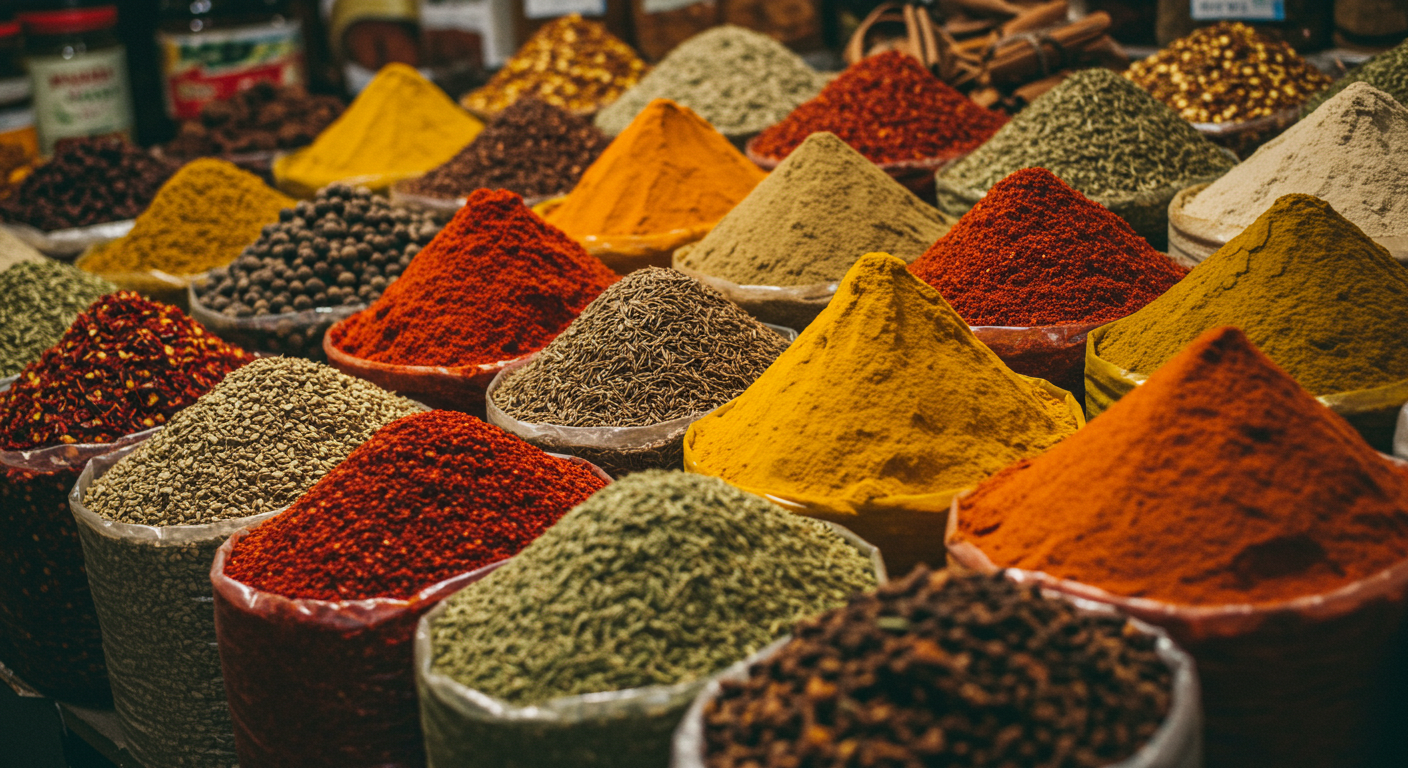
Spices are the soul of any cuisine, and African spices, in particular, are bold, aromatic, and deeply rooted in tradition. They don’t just add heat or flavor—they tell stories of ancient trade routes, indigenous healing, and generations of culinary mastery. Whether you’re an adventurous cook or someone seeking new ways to elevate everyday meals, African spices will awaken your palate and transport your kitchen to the continent’s vibrant food markets.

Here are some of the most transformative spices and spice blends from Africa—and how to use them.


1. Berbere (Ethiopia)

Flavor Profile: Warm, spicy, and complex with hints of garlic, fenugreek, and chili.

Berbere is Ethiopia’s most iconic spice blend, used in everything from stews (like doro wat) to lentils and roasted vegetables. Made from a mix of dried chilies, ginger, garlic, cloves, and more, it packs heat and depth.

Try It In: Chickpea stews, grilled tofu, tomato sauces, or sprinkled over popcorn for a spicy kick.


2. Suya Spice (Nigeria, West Africa)

Flavor Profile: Smoky, spicy, nutty, and savory.

Suya spice (also called yaji) is used to coat skewered meats in Nigeria, especially street-style beef or chicken. Made from ground peanuts, cayenne, paprika, ginger, garlic, and bouillon, it’s incredibly versatile.

Try It In: Veggie kebabs, roasted cauliflower, peanut soup, or as a rub for grilled plant-based proteins.


3. Grains of Selim (Uda Pods – West/Central Africa)

Flavor Profile: Smoky, musky, and peppery with a hint of bitterness.

Grains of Selim are dried seed pods used in West African soups and teas. Often cracked or crushed before cooking, they’re ideal for infusing stews and broths.

Try It In: Pepper soup, herbal tea, or in lentil dishes for added warmth and depth.


4. Ras el Hanout (North Africa – Morocco, Tunisia, Algeria)

Flavor Profile: Aromatic, sweet, and spicy with floral undertones.

This legendary blend translates to “head of the shop,” referring to a spice merchant’s best mix. It can contain up to 30 spices, including cinnamon, cardamom, cumin, nutmeg, rose petals, and turmeric.

Try It In: Tagines, couscous, roasted vegetables, or chickpea stews.


5. African Bird’s Eye Chili (Piri Piri – Southern and East Africa)

Flavor Profile: Fiery hot with fruity undertones.

Piri Piri (also known as peri peri) peppers are tiny but mighty. Used in Mozambique and Angola, the spice blend also includes garlic, lemon, vinegar, and oil.

Try It In: Marinades, hot sauces, tofu stir-fry, or anything that needs a fiery twist.


6. Calabash Nutmeg (Ehuru – Nigeria, Cameroon)

Flavor Profile: Warm, nutty, and musky—similar to a cross between nutmeg and pepper.

Used in soups, sauces, and stews, calabash nutmeg adds a subtle, mysterious flavor. It’s typically roasted and ground fresh before use.

Try It In: Ogbono soup, pepper soup, or vegan broths.


7. Fenugreek Leaves and Seeds (North and East Africa)

Flavor Profile: Slightly bitter, earthy, and sweet.

While fenugreek is widely used in Indian cuisine, it’s also popular in Egypt and Ethiopia. In Ethiopia, it’s part of berbere and niter kibbeh (spiced butter). The leaves are great in leafy curries.

Try It In: Lentil stews, herbal teas, or flatbread dough.


8. African Basil (Efirin – Nigeria, Cameroon, Ghana)

Flavor Profile: Sweet, peppery, and slightly minty.

Different from Mediterranean basil, African basil is stronger and often used in medicinal teas or soups. It supports digestion and has antimicrobial properties.

Try It In: Stews, herbal teas, pesto, or infused oils.


9. Kpakpo Shito (Ghana)

Flavor Profile: Fragrant, slightly spicy, and floral.

These small, round, green chilies are used in Ghanaian sauces and soups. While not a dried spice, their unique aroma and flavor make them essential to Ghanaian cuisine.

Try It In: Jollof rice, pepper sauces, or green chutneys.


10. Mbongo Spice (Cameroon – also called Jansang or Mbongo Tchobi)

Flavor Profile: Earthy, smoky, and rich.

Used in a dark, aromatic stew called mbongo tchobi, this blend includes wild spices like umbu bark and njansang seeds. It creates a deeply flavorful, almost medicinal base for plant-based or fish dishes.

Try It In: Mushroom stews, dark sauces, or black bean soup.


Why African Spices Stand Out

African spices are often fresh-ground, deeply aromatic, and regionally adapted to enhance native ingredients. Many of them also have:

  • Medicinal properties: Antibacterial, antifungal, and digestive-supporting qualities.
  • Cultural significance: Used in ceremonial cooking and festive meals.
  • Sustainability: Sourced from wild trees, home gardens, or traditional farming methods.

These aren’t just flavor enhancers—they’re story-tellers and healers.


Tips for Using African Spices in Everyday Cooking

  • Start with a blend: Try ras el hanout or suya spice for easy integration into your routine.
  • Toast before use: Lightly toasting whole spices brings out their oils and aroma.
  • Infuse oils: Add whole grains of Selim or cloves to hot oil for rich base flavors.
  • Make your own rubs: Combine ground African spices with sea salt and use them as dry rubs or marinades.


African spices are a vibrant way to bring excitement, tradition, and health benefits to your kitchen. Whether you're whipping up a quick weekday dinner or hosting a cultural feast, adding even one of these spices to your pantry will expand your culinary horizons. Dive in, experiment, and savor the richness of Africa—one sprinkle at a time.

Buy Ingredients

// Amazon affiliate shopping cart script (function () { const affiliateTag = "your-affiliate-tag"; // Replace with your actual Amazon affiliate tag const items = [ { asin: "B08N5WRWNW", quantity: 1 }, { asin: "B07FZ8S74R", quantity: 1 }, { asin: "B089KV4YYX", quantity: 1 }, { asin: "B08J5F3G18", quantity: 1 } ]; function createAmazonCartLink() { let cartUrl = "https://www.amazon.com/gp/aws/cart/add.html?"; cartUrl += `AssociateTag=${affiliateTag}`; items.forEach((item, index) => { cartUrl += `&ASIN.${index + 1}=${item.asin}&Quantity.${index + 1}=${item.quantity}`; }); return cartUrl; } function createCartButton() { const button = document.createElement("button"); button.innerText = "Add to Amazon Cart"; button.style.padding = "10px 20px"; button.style.fontSize = "16px"; button.style.backgroundColor = "#ff9900"; button.style.color = "#ffffff"; button.style.border = "none"; button.style.cursor = "pointer"; button.style.borderRadius = "5px"; button.onclick = function () { window.location.href = createAmazonCartLink(); }; document.body.appendChild(button); } document.addEventListener("DOMContentLoaded", createCartButton); })();

Cuisine Region
West Africa
African food, local cuisine, Spice

Vegan and Vegetarian African Dishes You’ll Love


Africa's culinary heritage is a plant-powered goldmine. While many associate African cuisine with stews and grilled meats, an abundance of vegan and vegetarian dishes exist across the continent—thanks to rich agricultural traditions, fasting customs, and a deep-rooted respect for seasonal produce. Whether you’re looking to eat more plant-based meals or just want to explore flavorful options beyond meat, here are vibrant African vegan and vegetarian dishes you’ll absolutely love.


1. Efo Riro (Nigerian Spinach Stew)

Efo Riro is a classic Yoruba dish packed with leafy greens like spinach or fluted pumpkin leaves (ugu). When made without meat or fish, it becomes a vegan delight. The stew is simmered in a pepper and tomato base with onions and seasoning cubes, and can be enriched with mushrooms or tofu for extra depth.

Why You’ll Love It: It's hearty, spicy, and rich in iron and antioxidants.


2. Chakalaka (South Africa)

This flavorful relish made from carrots, onions, tomatoes, and beans is a beloved side dish in South African cuisine. It’s completely vegan and can be served with pap (maize porridge) or bread.

Why You’ll Love It: It’s tangy, spicy, and perfect for summer picnics or braais (barbecues).


3. Gomen (Ethiopian Collard Greens)

Gomen is sautéed collard greens cooked with garlic, onion, and ginger in niter kibbeh (a spiced vegan butter alternative). It’s often served with injera and other vegetarian stews during fasting days in Ethiopia.

Why You’ll Love It: Simple yet flavorful, this dish is perfect for clean eating and detoxing.


4. Groundnut Stew (West Africa)

Made with groundnuts (peanuts), tomatoes, and vegetables like sweet potatoes, okra, or carrots, this rich stew is a plant-based favorite. Variants exist in Gambia, Senegal, and Nigeria. It’s thick, creamy, and satisfying, especially when served with rice or fufu.

Why You’ll Love It: Think peanut butter meets curry—a cozy comfort food.


5. Couscous with Seven Vegetables (North Africa)

Popular in Morocco and Algeria, this dish features steamed couscous topped with a medley of vegetables like zucchini, pumpkin, carrots, and chickpeas, all simmered in a mildly spiced broth.

Why You’ll Love It: It’s aromatic, balanced, and ideal for meal prep.


6. Koki Beans (Cameroon)

Also called moi moi in Nigeria, koki is a steamed pudding made from blended black-eyed peas and palm oil. When made without crayfish or eggs, it becomes a fully vegan dish. Rich in plant-based protein, it’s a delicious way to enjoy legumes.

Why You’ll Love It: Savory, soft, and rich—it’s like a bean cake that melts in your mouth.


7. Sukuma Wiki (East Africa)

Meaning "stretch the week" in Swahili, sukuma wiki is a humble collard green stir-fry made with onions, tomatoes, and sometimes garlic. It’s often eaten with ugali, a starchy side made from maize flour.

Why You’ll Love It: Budget-friendly, nourishing, and easy to make.


8. Baobab Smoothie (Across Africa)

The baobab fruit is a nutrient-dense superfood high in vitamin C, fiber, and calcium. Blending it into a smoothie with coconut milk, dates, and bananas creates a refreshing vegan drink packed with gut-friendly goodness.

Why You’ll Love It: Tangy, tropical, and revitalizing.


9. Mchicha (Tanzanian Spinach Curry)

Mchicha is a creamy spinach and peanut stew infused with coconut milk and often eaten with rice or ugali. It’s similar to Indian-style curry but with a Swahili twist.

Why You’ll Love It: It’s creamy, comforting, and packed with plant protein.


10. Fonio Salad (West Africa)

Fonio is an ancient West African grain that's naturally gluten-free. It cooks quickly and has a nutty flavor, making it perfect for vegan grain bowls or tabbouleh-style salads.

Why You’ll Love It: Light, versatile, and a great source of fiber and amino acids.


Why Veganism and Vegetarianism Fit Naturally in African Cuisine

Many African societies traditionally ate little meat, relying more on legumes, grains, and vegetables. In Ethiopia, for instance, fasting periods dictated by the Orthodox Church mean many people eat plant-based diets for large parts of the year. Likewise, economic and environmental factors have made vegetarian dishes staples across many rural communities.

Today, there's a growing resurgence of these traditions—not just for health reasons, but also as a way to connect with ancestral wisdom and sustainable living.


Tips for Exploring Vegan African Cooking

  • Use local grains: Swap imported grains for fonio, millet, sorghum, or maize.
  • Incorporate legumes: Black-eyed peas, chickpeas, and lentils are rich in protein and fiber.
  • Cook with palm oil, coconut milk, and peanut butter: These offer healthy fats and flavor.
  • Spice it up: African vegan food shines when seasoned with ginger, garlic, berbere, or suya spice.


Final Thoughts

African vegan and vegetarian cuisine is diverse, wholesome, and deeply rooted in tradition. From leafy stews to protein-rich legumes, there’s a plant-based African dish for every palate. These meals aren’t just alternatives to meat—they’re stars in their own right, full of flavor, culture, and health benefits. Whether you're vegan, vegetarian, or just curious, the vibrant world of African plant-based cuisine is waiting for you to explore.

Buy Ingredients

// Amazon affiliate shopping cart script (function () { const affiliateTag = "your-affiliate-tag"; // Replace with your actual Amazon affiliate tag const items = [ { asin: "B08N5WRWNW", quantity: 1 }, { asin: "B07FZ8S74R", quantity: 1 }, { asin: "B089KV4YYX", quantity: 1 }, { asin: "B08J5F3G18", quantity: 1 } ]; function createAmazonCartLink() { let cartUrl = "https://www.amazon.com/gp/aws/cart/add.html?"; cartUrl += `AssociateTag=${affiliateTag}`; items.forEach((item, index) => { cartUrl += `&ASIN.${index + 1}=${item.asin}&Quantity.${index + 1}=${item.quantity}`; }); return cartUrl; } function createCartButton() { const button = document.createElement("button"); button.innerText = "Add to Amazon Cart"; button.style.padding = "10px 20px"; button.style.fontSize = "16px"; button.style.backgroundColor = "#ff9900"; button.style.color = "#ffffff"; button.style.border = "none"; button.style.cursor = "pointer"; button.style.borderRadius = "5px"; button.onclick = function () { window.location.href = createAmazonCartLink(); }; document.body.appendChild(button); } document.addEventListener("DOMContentLoaded", createCartButton); })();

Cuisine Region
West Africa
African food, local cuisine, African dishes

Jollof Rice – Spicy Tomato-Based Rice Dish

🍅 What is Jollof Rice?

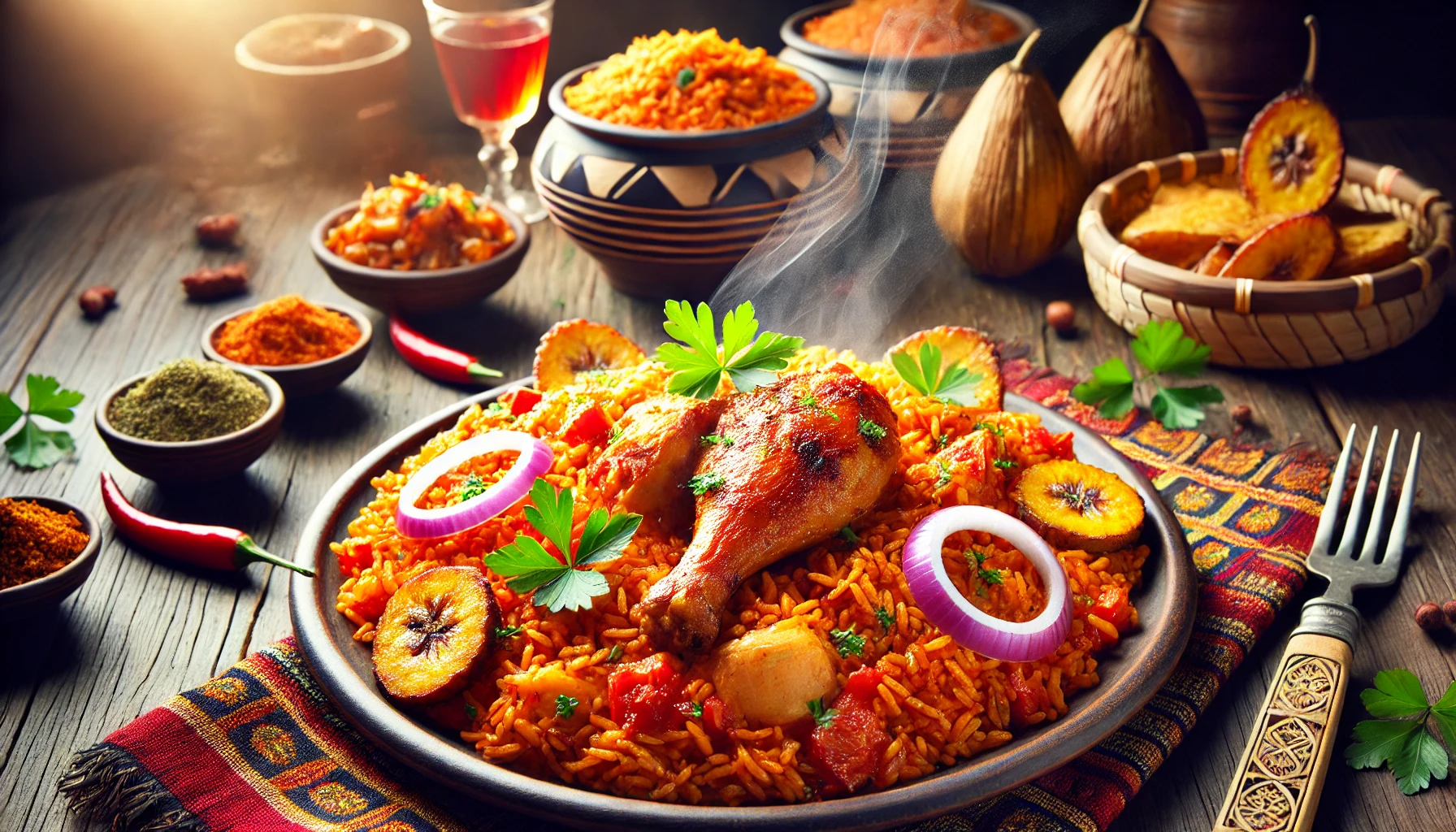
Jollof Rice is a one-pot rice dish cooked in a seasoned tomato and pepper base. It’s often served with grilled or fried meat, fried plantains, salad, or boiled eggs. Known for its rich orange-red hue and smoky flavor, Jollof is a dish that brings people together.

đź›’ Ingredients for Classic Nigerian Jollof Rice

For the Tomato Base:

  • 4 large ripe tomatoes
  • 2 red bell peppers
  • 1–2 Scotch bonnet peppers (for heat)
  • 1 large onion (divided: half for blending, half sliced)
  • 2 cloves garlic

For the Rice:

  • 2 cups long grain parboiled rice
  • 1/4 cup vegetable or canola oil
  • 2 tablespoons tomato paste
  • 1 teaspoon thyme
  • 1 teaspoon curry powder
  • 1 bay leaf
  • 2 Maggi or Knorr seasoning cubes
  • Salt to taste
  • 3–4 cups chicken or vegetable broth

Optional Sides:

  • Grilled or fried chicken
  • Fried plantains
  • Salad or steamed vegetables

🍽️ How to Make Perfect Jollof Rice (Step-by-Step)

Step 1: Blend the Tomato Mixture

Blend tomatoes, bell peppers, Scotch bonnet, garlic, and half an onion into a smooth puree.

Step 2: Sauté and Simmer

Heat oil in a large pot. Add sliced onions and sauté until translucent. Stir in tomato paste and fry for a few minutes, then add the blended tomato mix. Cook for 15–20 minutes, stirring regularly, until it thickens and the oil begins to separate.

Step 3: Season and Add Rice

Add thyme, curry, seasoning cubes, bay leaf, and salt. Pour in washed rice and mix well so the grains are fully coated in the sauce.

Step 4: Simmer with Broth

Add broth to barely cover the rice. Cover the pot tightly and reduce heat. Let it steam-cook for 25–30 minutes, checking occasionally and adding more liquid if necessary.

Step 5: Fluff and Rest

Once the rice is cooked, fluff with a fork and let it rest for 10 minutes before serving.

🔥 Pro Tips for Flavorful, Party-Style Jollof

  • Use parboiled long grain rice for the perfect non-sticky texture.
  • For a signature smoky flavor, allow the bottom layer to caramelize slightly without burning.
  • Cooking in a thick, non-stick pot helps achieve even heat distribution.

🎉 Serving Suggestions

Serve your Jollof Rice hot with:

  • Grilled chicken or beef skewers (Suya-style)
  • Crispy fried plantains
  • Sliced cucumbers and onions
  • A chilled drink like zobo or hibiscus iced tea
Cuisine Region
West Africa
Jollof Rice – Spicy Tomato-Based Rice Dish

Pagination

  • Previous page
  • 3
West Africa

Considering Ways to Boost Your Investments? Click Here For Some.

Donate

❤️ Support This Website


Most Popular

African Restaurants Near You
How African Diets Support Longevity
Roasted Corn with Coconut – Street Snack in Nigeria and Ghana
Common African Kitchen Tools and Their Uses
Tuo Zaafi (Ghana)
Afro-Caribbean Culinary Fusion Recipes
Fermented Flavors of Africa: From Kenyan Uji to Togolese Akpan
Jollof Rice (Nigeria, Ghana, Senegal)
Bofrot (Ghana) – Fried Dough Balls Similar to Doughnuts
Jollof Rice – Spicy Tomato-Based Rice Dish
RSS feed

2025 African Cultural Heritage Hub & Questrel LLC